Event 9 – Rev. Ch. 16 V 3
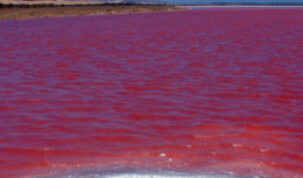
We have already touched on this subject in Event 2 “Cumbre Vieja.” This phenomenon is called a “Red Tide” which is slightly odd as it has nothing to do with tides.
In the sea bed and rivers live algae called Dinoflagellates which under certain conditions can float to the surface.
Some of these algae produce harmful toxins but worse still; there is a bacteria which finds its way into the flesh of other marine life and then produce toxins that eat away at the creature from the inside. Read More / Watch Video »
Summer temperatures for the globe’s ocean surface ranked as the warmest on record, according to a report released Wednesday by the National Climatic Data Center.
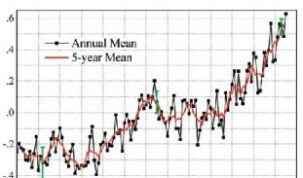
WASHINGTON — The world’s oceans this summer are the warmest on record.
Bunaken Island: Rising water temperatures, sea levels and acidity are threatening to destroy the vast region of southeast Asia known as the Coral Triangle, also called the ocean’s answer to the Amazon rainforest.
Carbon dioxide (CO2) emissions must fall sharply to avoid inflicting acid damage to the world’s marine ecosystems, more than 150 scientists warned Friday.
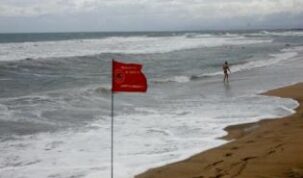
A red tide ban remains hoisted over four coastal areas in the country, the Bureau of Fisheries and Aquatic Resources (BFAR) said on Wednesday.
Dead mussels as well as live mussels with open, eroded shells are possible symptoms of stress from declining ocean pH and increasing acidity. Credit: C.A. Pfister, University of Chicago.
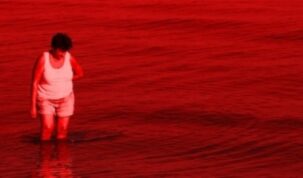
FUJAIRAH – Red tide has been lashing Fujairah and Kalba shores in the eastern coastline since Sunday, spreading foul smell though no dead fishes have been spotted.
The oceans absorb about half the carbon dioxide humankind releases into the atmosphere, and seawater is consequently acidifying.
Increasing carbon dioxide emissions could leave species such as coral and sea urchins struggling to survive by the end of the century because they are making the oceans more acidic, research led by British scientists suggests.