
Red Sky News | The Global Meltdown

Tag: First Trumpet
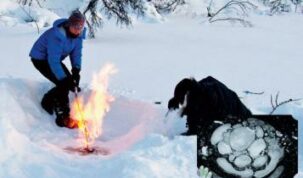
Sliding Toward Climate Catastrophe
The Russian heat wave, Pakistan floods, and the breaking up of the Greenland ice-sheet -- are these indications that
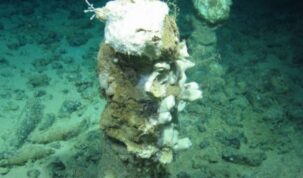
Arctic ‘methane chimneys’ raise fears of runaway climate change
Researchers say evidence suggests that the frozen seabed is perforated and is starting to leak methane, but other scientists
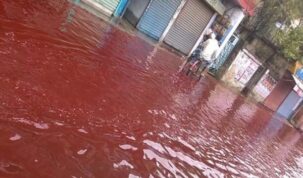
Blood rain falls on India
Red rain in India was a phenomenon observed sporadically from 25 July to 23 September 2001 in the southern
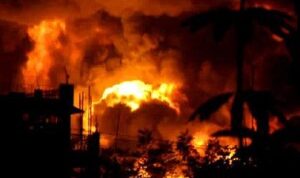
Burning Hail Struck India In 1991
At Redsky News on 24th December 2010, we received an eyewitness account of burning hail striking the Chittagong area
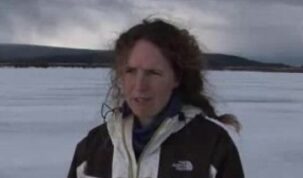
Scientists Monitor Methane Lakes
Video Report: The thawing permafrost is emitting Methane which is 21 times better at trapping heat than CO2. It
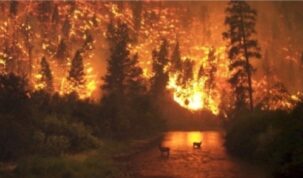
A Third Of The Planet Is Struck By Burning Hail – Revelation 8
The Methane release brings more violent storms. During thunder storms water droplets start to freeze in the head of the
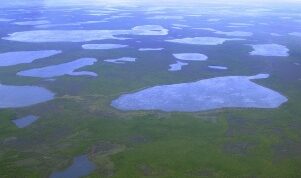
Arctic permafrost leaking methane at record levels, figures show
Experts say methane emissions from the Arctic have risen by almost one-third in just five years, and that sharply
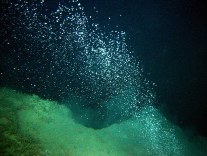
Methane release shows dramatic increase
Scientists have uncovered what appears to be a further dramatic increase in the leakage of methane gas that is
Giant gas bomb under African lake could kill millions
Scientists fear that improper fuel extraction at Lake Kivu in Africa could trigger a massive release of carbon dioxide
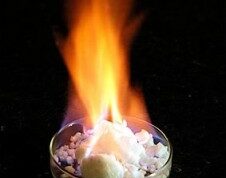
Methane under permafrost could speed up global warming 20-fold
Washington, Sep 3 : Melting permafrost in arctic regions, triggered by global warming, will release underground methane. Once released,